Summer in Houston brings a level of heat that can be tough on both people and property. While we often think about our air conditioning units, we rarely consider the physical stress our roofs endure when the sun is beating down all day. One of the most common issues that appears during these record-breaking temperatures is a phenomenon known as shingle blistering.
What Exactly is Shingle Blistering?
To understand blistering, you have to look at how a standard asphalt shingle is manufactured. These materials are made of several layers, including a base mat, a layer of asphalt, and a top coating of stone granules. During the manufacturing process, tiny amounts of moisture or gas can sometimes become trapped inside the shingle layers.
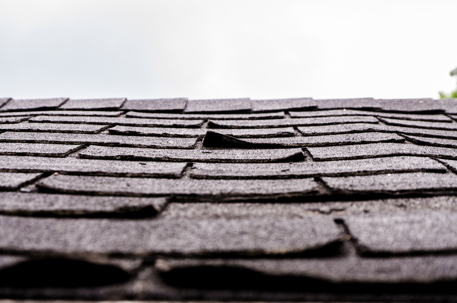
When the Houston sun pushes roof temperatures well above 100°C, that trapped moisture expands and tries to escape. This creates small bubbles or "blisters" on the surface of the shingle. If you were to look closely, these look like small pimples or raised bumps scattered across the roof.
While these bumps might seem small, they indicate a change in the material's physical structure.
Consider these visual cues when checking your roof:
- Small, circular raised areas that look like bubbles under the surface.
- Dark spots where the protective stone granules have popped off.
- Areas where the shingle looks "pitted" or has small craters.
- Bumps that feel brittle or crunch when pressure is applied.
The Role of Attic Ventilation in Heat Damage
Shingle blistering is rarely caused by the sun alone; it is usually a sign that the roof is being "cooked" from both sides. If an attic does not have proper airflow, the heat from the house and the sun stays trapped directly under the roof deck. This prevents the shingles from cooling down, even after the sun sets.
When the heat has nowhere to go, it intensifies the expansion of any trapped gases within the asphalt. A well-ventilated attic allows fresh air to enter at the bottom and hot air to escape at the top. Without this cycle, the temperature of the shingles can climb much higher than the actual outdoor temperature.
Why Blistering Leads to Early Roof Failure
Many homeowners mistake blistering for hail damage because both issues can cause granule loss. However, blisters are an internal failure of the material rather than an impact from the outside. When a blister eventually pops, it leaves the underlying asphalt layer exposed to the elements.
These stone granules are the only thing protecting the asphalt from UV rays. Once the granules are gone, the sun can quickly dry out the shingle, making it brittle and prone to cracking. This leads to a much shorter lifespan for the entire system and increases the risk of leaks during a heavy rainstorm.
Protecting the integrity of your shingles involves monitoring for these specific risks:
- Significant granule loss accumulating in your gutters or at the base of downspouts.
- Shingles that appear shiny or black where the protective coating has worn away.
- Cracking or curling edges that occur shortly after blisters appear.
- An attic that feels significantly hotter than the rest of the upper floor.
Identifying the Difference Between Blisters and Hail
It is important for property owners to know what they are looking at before calling for insurance or repairs. Hail damage usually creates a "bruise" that is random and often accompanied by dents in metal vents or gutters. Blisters, on the other hand, are usually localized to specific areas where heat is trapped or where a specific batch of shingles was used.
A blister will usually have a volcano shape with raised edges if it has popped. Hail impact usually leaves a localized indentation where the granules were pushed into the mat. Knowing the difference helps you have a more informed conversation with a professional when discussing the health of your home.
Securing Your Home Against Extreme Heat
Maintaining a healthy roof requires more than just checking for leaks after a storm. The intense heat of a Houston summer can cause physical changes to your shingles that weaken your home's first line of defense. By understanding how high temperatures and poor ventilation contribute to blistering, you can take steps to cool your attic and protect your investment. Catching these small bubbles before they pop and lead to granule loss is the most effective way to ensure your roof lasts its full intended lifespan.
Advanced Roofing Solutions specializes in diagnosing heat-related wear and ensuring your home is prepared for the elements. Our team provides professional roof inspections to identify blistering and ventilation issues before they lead to structural damage. We also offer high-quality roof installation using materials designed to withstand the unique climate of Southeast Texas.
Don't let the summer heat cut your roof's life short. Contact our team today for an expert evaluation or call (832) 952-0907 to keep your home cool and protected.